Ranking characters from series whose names start with B involves going beyond automatically generated alphabetical lists. We have selected ten figures who have marked serial writing through their narrative arcs, their influence on pop culture, or their ability to redefine an archetype. The main criterion remains the impact on the narrative of their respective series, not the mere notoriety of the actor.
1. Buffy Summers (Buffy the Vampire Slayer)

Buffy Summers laid the groundwork for the female action character in American series of the 1990s. Before her, genre heroines rarely occupied the center of the narrative for seven full seasons. Her treatment by Joss Whedon blends horror and teenage drama, a mix that has influenced dozens of subsequent productions.
Buffy remains a reference in rankings of badass characters, including on tracking apps like TV Time, where she regularly appears in community top lists. Her longevity in fan discussions, long after the series ended, confirms a status that transcends nostalgia.
2. Bronn (Game of Thrones)
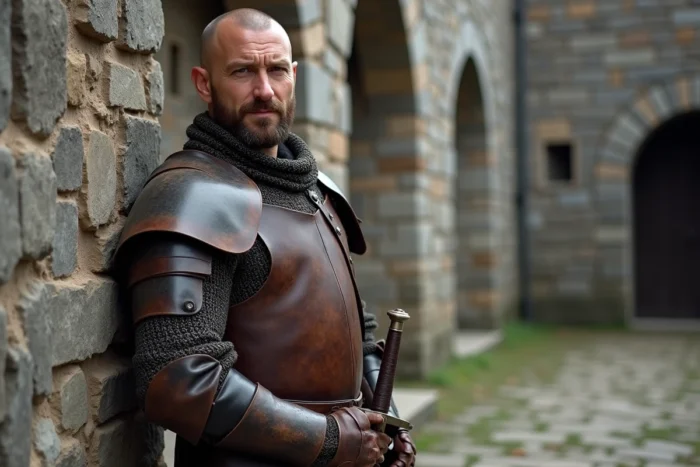
The mercenary played by Jerome Flynn embodies a rare type of secondary character: one who traverses an entire saga without a heroic arc and ends up better off than most protagonists. Bronn serves as a cynical counterpoint to the chivalrous universe of Westeros.
To explore other notable series characters starting with b, community rankings offer a good starting point. His popularity rests on writing that refuses any spectacular redemption. He remains transactional from the first to the last episode, which constitutes a form of narrative coherence that few series embrace.
3. Barney Stinson (How I Met Your Mother)

Among the series characters starting with b that sitcom fans spontaneously mention, Barney Stinson holds a special place. Neil Patrick Harris crafted a character whose catchphrases (“Legendary,” “Suit up”) have transcended the series to enter the everyday language of online communities.
The narrative interest of Barney lies in the tension between his facade of a caricatured seducer and the cracks that the series gradually reveals. The controversial finale of the series crystallized debates around his arc, proving that the character carried an emotional weight that the comedic format concealed.
4. Batman / Bruce Wayne (Gotham, Batman: The Animated Series)
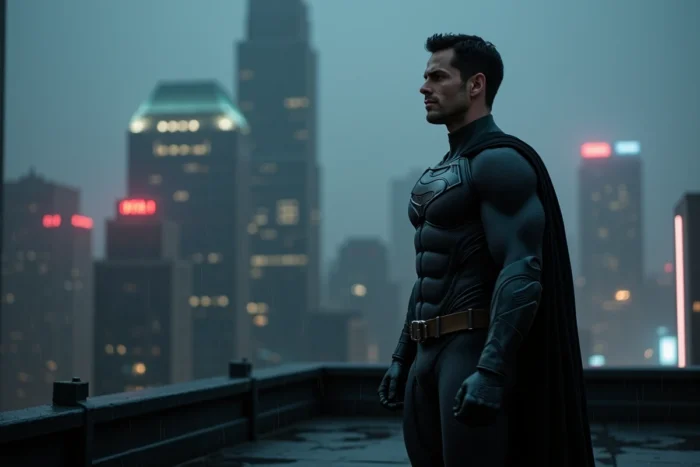
Bruce Wayne is the most adapted character starting with B in the history of series, from the 1960s soap opera to Gotham and Batman: The Animated Series. The latter, produced in the 1990s, redefined the tone of DC adaptations by introducing an unprecedented psychological darkness for an animated program.
Gotham took the opposite approach: telling the universe before the mask. The teenage Bruce Wayne portrayed by David Mazouz offered an angle that cinema had never explored over time, that of the slow construction of a vigilante over several seasons.
5. Boyd Crowder (Justified)

Walton Goggins transformed a character meant to die in the pilot into a recurring antagonist over six seasons. Boyd Crowder illustrates a textbook case in serial writing: a character saved by the performance of his interpreter, then integrated into the main narrative fabric.
His relationship with Raylan Givens rests on a moral ambiguity that few police series maintain for so long. Boyd is neither a classic villain nor an antihero. He occupies a gray area that makes each episode unpredictable.
6. Brienne of Tarth (Game of Thrones)
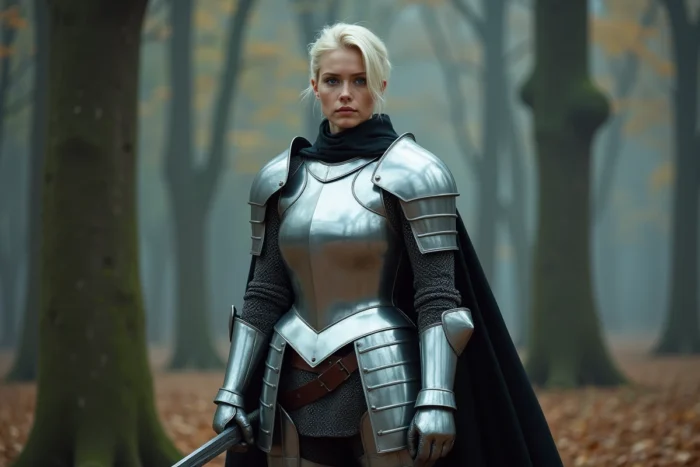
Brienne subverts the noble knight archetype in a universe where nobility generally leads to death. Gwendoline Christie carried a physically demanding role with a restraint that contrasted with the more flamboyant performances of the cast.
Her knighthood in the final season remains one of the most shared scenes on social networks during its airing. Brienne proves that a character can mark the history of a series without being at the center of the main plot.
7. Bojack Horseman (Bojack Horseman)

Bojack Horseman demonstrated that adult animation could tackle depression, addiction, and moral responsibility without resorting to gratuitous cynicism. The titular character is a former sitcom actor whose downfall serves as a pretext for one of the most ambitious narrative explorations offered on Netflix.
The series systematically refuses easy redemption. Each season pushes Bojack down a little further before offering him glimmers that never last, a writing choice that has redefined what could be expected from an animated series.
8. Boba Fett (The Book of Boba Fett)

Boba Fett poses a fascinating narrative problem: how to transform a character whose mystique relied on silence and absence into the protagonist of a complete series. The result divided fans, but the attempt remains significant in the Star Wars universe.
The series revealed the limits of fan service when it substitutes for a genuine dramatic arc. Boba Fett works better as a magnetic secondary presence than as a verbose hero, a lesson that franchise showrunners would do well to remember.
9. Barou Shoei (Blue Lock)

Blue Lock has established itself in recent global anime rankings, and Barou Shoei embodies competitive selfishness pushed to its peak. His game relies on pure instinct, without teamwork, placing him in direct opposition to the traditional sports philosophy of shonen.
This character is interesting because he refuses the classic rival schema that ultimately recognizes the value of teamwork. Barou remains a solitary predator, and the series embraces this narrative choice without moralizing it.
10. Beth Dutton (Yellowstone)

Beth Dutton, played by Kelly Reilly, has become one of the most discussed female characters in recent American television. Her verbal brutality and complete lack of social filter make her a polarizing character, loved or hated without any middle ground.
Yellowstone owes a significant part of its audience to Beth. She concentrates the most shared moments of tension on social networks, and her writing illustrates a trend in contemporary series: creating abrasive female characters without trying to make them sympathetic.
These ten characters share a common trait: each has altered, in their own way, the audience’s expectations of their genre or format. Alphabetical lists provide names, but it is the narrative impact that distinguishes a memorable character from a mere entry in a database.